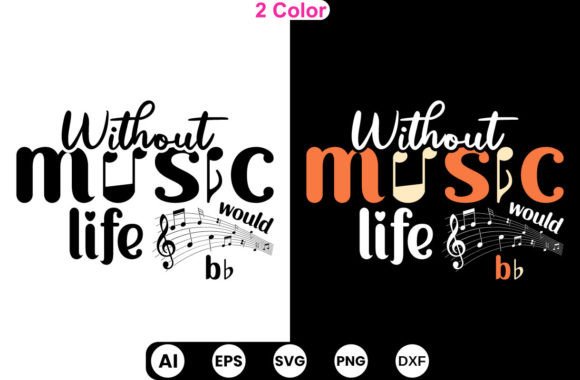
Music Motivational Design
A Designer’s First Look: Bright, Friendly, and Ready for Real Stitching
When I opened the Music Motivational Design file, my first thought wasn’t “cute” or “trendy”—it was “usable.” As someone who’s stitched hundreds of designs across baby onesies, boutique tote bags, and custom sweatshirt orders, I scan for clarity, balance, and embroidery-readiness before anything else. This design lands with clean lines, open negative space, and a cheerful rhythm—literally. Notes curl around a central phrase like “Make Music” or “Play On,” depending on the variant, and the whole composition breathes. It doesn’t scream for attention; it invites it. That matters when you’re stitching for real people—not just mockups.
Where It Shines: From Nursery Decor to Small Shop Merchandise
I tested the Music Motivational Design on a medium-weight cotton twill tote bag—our go-to for local craft fairs—and it held up beautifully. The satin stitch outlines popped without puckering, and the fill stitch areas stayed smooth even at 8-inch hoop size. For baby embroidery? Yes—but choose the simplified version (if offered) and avoid tiny treble clefs near seams. On a soft organic cotton onesie, the design read clearly at 3.5 inches wide, especially with high-contrast thread like navy on cream.
It also translated well into an embroidered patch: clean edges, no fraying risk, and enough visual weight to hold up on denim jackets or backpacks. For holiday embroidery—think tea towels or pillow covers—the motif feels warm and inclusive, not overly seasonal, so it sells year-round. Etsy sellers will appreciate how easily it fits into printable mockups: the layout is centered, balanced, and scales cleanly from 2.5 to 6 inches without losing legibility.
Where to Pause: Texture, Fabric, and Detail Realities
Not every surface welcomes this design equally. On stretchy fabric—like lightweight jersey tees—I recommend heavy tear-away stabilizer *and* a test run. The curves in the musical notes can shift slightly under tension if the hoop isn’t snug or the fabric isn’t properly hooped. On dark fabric, check thread color contrast carefully: light gray or pale yellow lettering may disappear unless you add an underlay stitch or switch to white thread with a subtle shadow effect.
Curved surfaces like caps need special attention. The Music Motivational Design works best on front panels—not crowns—unless you scale down significantly and simplify inner details. Tiny decorative accents (like miniature eighth notes tucked beside letters) are charming on screen-printed graphics but can vanish in dense fill stitch on small hoops. If your machine struggles with tight corners or nested elements, inspect those areas closely before committing to a batch.
What Your Customers Will Notice (and Why It Matters)
People don’t buy embroidery—they buy feeling. This design delivers warmth, encouragement, and quiet confidence. A parent ordering a personalized gift for their child’s first recital doesn’t want flashy clutter; they want sincerity stitched in. The Music Motivational Design reads as handmade, not mass-produced—even when used commercially—because its spacing and rhythm feel intentional, not algorithmic.
That impression boosts perceived value. A $24 embroidered apron with this design feels more thoughtful than one with generic clip art. It supports brand consistency for craft businesses that lean into creativity, education, or wellness themes. And because it’s gender-neutral in styling—not overly “girly” or “boyish”—it broadens appeal across age groups and occasions, from teacher appreciation gifts to wedding rehearsal dinner favors.
Practical Notes Every Embroidery Designer Should Keep Handy
- Always test on scrap fabric first—especially if using textured weaves like linen-blend tea towels or looped terry cloth.
- Review stitch density before scaling up. Dense fills look rich on sweatshirts but can stiffen lightweight fabrics or cause thread breakage on older machines.
- Confirm hoop size compatibility. If your smallest hoop is 4×4, avoid versions with wide horizontal spans unless you’re willing to split the design.
- Inspect small details—like note stems or dot placement—under magnification. What looks crisp on screen may merge in satin stitch at small sizes.
- Test black-and-white mockups to assess contrast and hierarchy. If the message disappears without color cues, adjust thread selection or layout.
- Compare light and dark fabric backgrounds side-by-side. Some versions include optional outlines or drop shadows—use them where needed.
- Use proper stabilizer: cutaway for knits, tear-away for stable wovens, and fusible for layered or delicate items like silk-blend pillow covers.
- Verify licensing terms before selling finished products or bundling the Music Motivational Design into digital embroidery kits. Since it’s listed under Graphics, confirm whether commercial use is included.
Final Thought: Not Just Another Craft Graphic
This isn’t a “throw-it-on-and-hope” design. It’s one that earns its place in your embroidery project queue—whether you’re stitching a single personalized gift or building a cohesive line for your small shop. Its strength lies in restraint: no overworked flourishes, no competing elements, just music, message, and craftsmanship. As a designer who’s seen too many embroidery files fail at the final stitch, I appreciate how thoughtfully this balances visual appeal with technical realism. It respects the machine, the fabric, and the person wearing—or giving—the finished product.
If you're an Etsy seller curating meaningful Crafts inventory, a boutique owner refreshing seasonal merchandise, or a hobbyist making heartfelt gifts, the Music Motivational Design is worth your time. Just remember: great embroidery starts long before the needle drops—it starts with choosing wisely.