Class of 2022 Senior Class Print Templat
A Designer’s First Look: Clean, Nostalgic, and Ready for Stitching
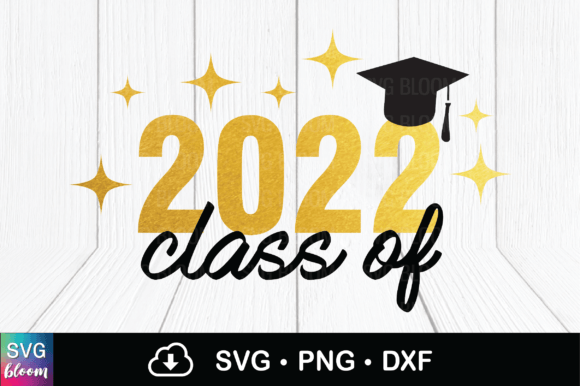
When I opened Class of 2022 Senior Class Print Templat, my first thought wasn’t “cute” or “trendy”—it was “usable.” As someone who’s digitized hundreds of embroidery files and stitched dozens of senior-themed projects—from graduation caps to baby onesies—I appreciate how rare it is to find a graphic template that balances celebration with clarity. This isn’t a cluttered collage or an over-rendered 3D effect. It’s clean-lined, lightly stylized, and built around legibility—especially important when translating into satin stitch or fill stitch on real fabric.
Real-Life Test: Embroidering a Cotton Tote for a Local Grad Fair
Last week, I used Class of 2022 Senior Class Print Templat to embroider a set of canvas tote bags for a high school grad fair booth. The design scaled beautifully at 4.5 inches wide—large enough to read clearly, small enough to sit comfortably on the front pocket area of a standard tote. On medium-weight cotton duck, the layout held its shape without distortion. No puckering, no thread nesting in corners. That tells me the vector foundation (SVG/DXF) is well-constructed—not just traced, but intentionally drafted for cut-and-stitch flexibility.
Where It Shines—and Where It Needs Extra Care
Class of 2022 Senior Class Print Templat works especially well for:
- Custom apparel: Sweatshirt embroidery and t-shirt fronts benefit from its balanced negative space and bold letterforms.
- Embroidered patches: The clean edges and moderate detail level translate cleanly into sew-on or iron-on patch formats.
- Baby embroidery: When resized to 2.75", it reads sweetly on onesies and burp cloths—no tiny serifs or fragile loops that vanish under dense fill stitch.
- Holiday embroidery and personalized gifts: Paired with a simple monogram or year date, it adds warmth to kitchen towels, pillow covers, and graduation keepsake blankets.
- Craft business and Etsy seller use: Its versatility across product types means one purchase supports multiple listings—tote bag design, sweatshirt embroidery bundle, nursery decor set—without needing separate mockups for each.
But here’s where experience kicks in: this design isn’t magic on every surface. Use caution on:
- Stretchy fabric like jersey knits—tighten your stabilizer game (cutaway + topping recommended) or reduce stitch density slightly to avoid distortion.
- Curved surfaces like caps—test placement first; the horizontal emphasis may need slight vertical compression to avoid visual stretching.
- Dark fabric: The design relies on contrast, so confirm thread colors pop—especially if using light grays or metallics that fade on black or navy.
- Tiny hoop sizes (<3" diameter): Some elements (like subtle decorative flourishes or fine line work) may lose definition. Resize down only after checking stitch count in your embroidery software.
- Frequent-wash items like tea towels or baby clothes: Avoid ultra-thin satin stitch borders—they’ll fray faster than broader fill areas. A quick digitizing pass to widen key outlines pays off.
What It Adds to Your Finished Product—Beyond the Thread
As a designer who sells both digital embroidery files and handmade products, I pay attention to what a design *communicates* before a single needle drops. Class of 2022 Senior Class Print Templat reads as warm, confident, and timeless—not trendy in a way that dates quickly. That builds customer trust: parents buying graduation gifts don’t want something that feels disposable. Boutique owners appreciate that it fits seamlessly into cohesive branding—whether paired with minimalist typography or layered with soft watercolor-style applique designs.
It also elevates perceived value. A well-executed embroidered tote with this design doesn’t look “DIY”—it looks intentional, gift-ready, and professionally curated. That matters whether you’re pricing for craft fairs, Etsy, or local boutiques. And because it’s rooted in classic typographic hierarchy, it photographs cleanly for printable mockups and social media previews—no extra filters or touch-ups needed.
Practical Notes Every Embroidery Designer Should Run Through
Before stitching—or listing this as part of your craft business inventory—here’s my checklist:
- Test on scrap fabric first, especially if combining with other elements (e.g., a star icon or name banner).
- Review stitch density in your embroidery software—if it’s heavy on fill stitch, consider reducing density by 5–10% for lightweight fabrics.
- Confirm hoop size compatibility; while the SVG and DXF files scale freely, your machine’s maximum embroidery area sets hard limits.
- Inspect small details like dot accents or thin serifs—do they hold up at your intended size? Zoom in before sending to the machine.
- Try black-and-white mockups to assess contrast and readability—this reveals issues invisible on screen.
- Compare light vs. dark fabric backgrounds using actual thread swatches, not just on-screen color picks.
- Use proper stabilizer: medium-weight cutaway for stable fabrics, tear-away + topping for knits.
- Verify licensing terms before selling finished products or bundling this as part of a digital embroidery file pack—Graphic Templates like this often carry usage restrictions for commercial resale.
Final Thought: A Reliable Workhorse, Not a Flash-in-the-Pan
Class of 2022 Senior Class Print Templat won’t wow you with animation or photorealism—but it wasn’t built to. It’s a thoughtful, functional piece of design assets: straightforward enough for beginners, refined enough for pros, and flexible enough to support real embroidery projects across apparel, home goods, and personalized gifts. Whether you’re an Etsy seller building a graduation collection, a small shop owner prepping for spring craft fairs, or a hobbyist stitching for family, this is the kind of graphics file that earns repeat use—not shelf time. Just remember: great embroidery starts with smart prep, not just pretty pixels.